Thriving in Thrift: The Resale Market’s Rise and Impact on Sustainable Living
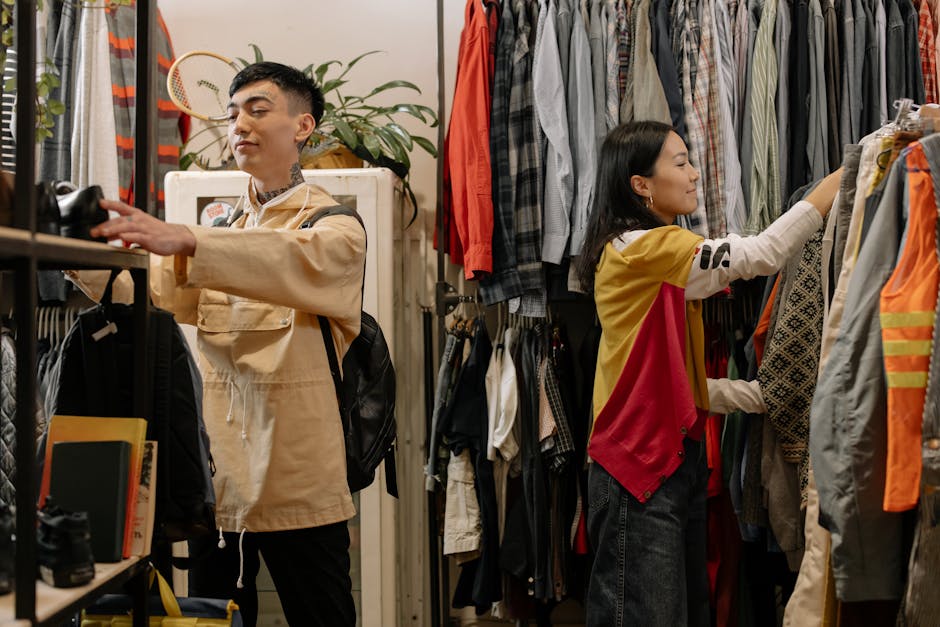
The resale market has transformed from a niche interest into a booming global industry, driven by eco-conscious consumers, economic pragmatism, and digital innovation. This shift reflects a growing desire to reduce waste, save money, and support circular economies—all themes resonating deeply within the thrifter community.
As awareness grows about fast fashion’s environmental toll, more people are turning to secondhand alternatives. From vintage clothing to antique furniture, the resale market offers a treasure trove of affordable, sustainable choices that align perfectly with modern priorities.
What Is the Resale Market?
The term “resale market” refers to the ecosystem of platforms, stores, and individuals who buy and sell used goods. Unlike traditional retail, these transactions center on pre-owned items ranging from designer handbags to gently worn athletic shoes.
This marketplace includes everything from online auction sites like eBay to curated consignment shops. Its appeal lies in offering high-quality goods at significantly reduced prices while minimizing environmental harm associated with mass manufacturing.
- Diverse Inventory: Resale markets cater to nearly every category—from luxury accessories to home decor, electronics, books, and even vehicles.
- Economic Accessibility: Used items often cost 60% less than brand-new equivalents, making premium brands accessible to budget-conscious shoppers.
In 2023 alone, the global resale market reached over $9 billion, reflecting its explosive growth trajectory. With platforms like Poshmark, ThredUp, and Vinted leading the charge, convenience has never been easier for consumers seeking value.
Moreover, the rise of social media influencers promoting thrifted finds has further normalized and popularized secondhand shopping as both stylish and responsible choice.
The Environmental Impact of Secondhand Shopping
Purchasing used goods drastically reduces demand for newly manufactured products, curbing pollution caused by raw material extraction, transportation emissions, and energy-intensive production processes.
According to a report by the Ellen MacArthur Foundation, extending the lifespan of clothing by just nine months could reduce the sector’s carbon footprint by 30%. This statistic underscores why thrifting plays such a vital role in combating climate change.
Additionally, repurposing existing items prevents them from ending up in landfills—a staggering 85% of textiles globally end up discarded after only seven wears, according to Fashion Revolution.
By choosing secondhand over new, thrusters contribute directly to reducing greenhouse gas emissions linked to textile production and garment dyeing industries.
Furthermore, supporting local thrift stores diverts thousands of pounds of usable merchandise away from waste streams annually. One store alone might redirect upwards of two tons of clothes yearly back into circulation instead of disposal.
Resource Conservation Through Reuse
Each time an item is reused rather than replaced, precious resources are preserved—including water, electricity, and natural materials required for production.
For instance, producing cotton fabric consumes approximately 2,700 liters of water per shirt. By purchasing pre-loved garments, thrusters help conserve these finite resources.
Circular economy models championed by companies like Patagonia and H&M encourage customers to trade-in old items for discounts, effectively closing loops in supply chains and fostering long-term sustainability efforts.
These initiatives demonstrate how individual actions can scale into meaningful environmental benefits when collectively practiced across communities.
How to Thrive as a Thrifter in Today’s Market
Becoming proficient at navigating the resale landscape requires strategy, patience, and a keen eye for quality. Successful thrifers know exactly where to look, what to avoid, and how to maximize savings without sacrificing style.
Building a network of trusted sellers and frequenting well-curated shops increases chances of finding rare gems at unbeatable prices. Joining local Facebook groups dedicated to swapping or selling used goods expands opportunities exponentially.
- Research Before Buying: Always verify seller ratings, check photos closely, and ask questions before committing to a purchase.
- Inspect Carefully: Look for signs of damage, wear patterns, and authenticity markers—especially important when investing in designer pieces.
Maintaining records of all purchases via apps like Google Sheets or Excel allows tracking of spending patterns and identifying recurring bargain hunters’ hotspots.
Familiarizing oneself with pricing trends aids in recognizing undervalued items ripe for investment. Learning basic sewing skills empowers fixing minor imperfections without professional intervention.
Navigating Challenges in the Resale Space
While the rewards of thrifting are plentiful, challenges exist including verifying product condition remotely, dealing with inconsistent inventory levels, and competing against aggressive resellers flooding platforms with similar listings.
To mitigate risks related to inaccurate descriptions or misleading images, always request additional photo evidence from sellers whenever possible. Utilize review systems available on most e-commerce websites to gauge reliability beforehand.
Sometimes encountering counterfeit items remains inevitable; however, cross-referencing serial numbers against official databases or consulting experts can prevent costly mistakes.
Knowing when to walk away from a deal—especially if unsure about quality—is wise practice. Remember, your goal isn’t merely acquiring cheap stuff but finding durable, versatile additions worth holding onto long term.
Trends Shaping Tomorrow’s Resale Industry
Advancements in artificial intelligence now enable automated grading of used items based on size, color, fabric type, and overall condition. This streamlines sorting procedures greatly improving efficiency across warehouses nationwide.
Blockchain technology promises enhanced traceability allowing full history visibility regarding each product—importantly revealing previous owners and maintenance records which builds trust amongst buyers.
Virtual reality experiences soon may allow immersive browsing sessions letting users try-on outfits digitally prior actual acquisition decisions, thus eliminating guesswork involved in sizing concerns.
Growing emphasis placed upon certifications denoting ethical sourcing practices continues influencing buyer behavior positively shifting preferences toward more conscientious choices consistently over time.
The Role Of Community In Thrifting Success
Engaging actively within local thrift circles fosters camaraderie amongst fellow enthusiasts sharing common passions. Attending monthly meetups facilitates exchanging tips tricks learned from years experience exploring hidden corners filled with undiscovered treasures waiting patiently behind dusty shelves.
Participating regularly contributes towards strengthening bonds created through shared interests ultimately forming strong networks capable of advocating better conditions surrounding fair treatment offered during negotiations involving high-value antiques or collectibles.
Organizing group excursions enables collective bargaining power securing lower rates unattainable individually especially pertinent when targeting exclusive boutiques known solely among insiders possessing insider knowledge about upcoming sales events.
Collaborative projects focused around organizing pop-up markets provide creative avenues expressing artistic talents simultaneously generating income through showcasing handmade crafts alongside carefully selected preloved wares arranged attractively together.
Maximizing Value From Your Finds
Every successful thrifter understands maximizing utility derived from each purchase involves careful consideration concerning frequency of use, versatility across seasons, and ability adapt easily depending upon changing circumstances.
Investing selectively means prioritizing timeless classics resistant against fleeting fads ensuring longevity irrespective current trends dominating mainstream culture today.
Learning fundamentals relating fabrics composition assists determining appropriate care methods preserving integrity preventing premature deterioration occurring due improper washing techniques.
Maintaining organized storage solutions keeps collection orderly accessible facilitating quick retrieval whenever desired without hassle searching endlessly through disarrayed piles scattered haphazardly throughout living spaces.
Conclusion
The resurgence of the resale market signifies much more than just financial savviness—it represents conscious decision-making centered around environmental responsibility coupled with appreciation aesthetic beauty found within previously loved possessions.
Whether you’re drawn purely by economics motives aiming cut costs substantially or motivated primarily because concerned planet’s wellbeing regardless underlying reasons remain equally valid worthy pursuits deserve encouragement celebration alike.