
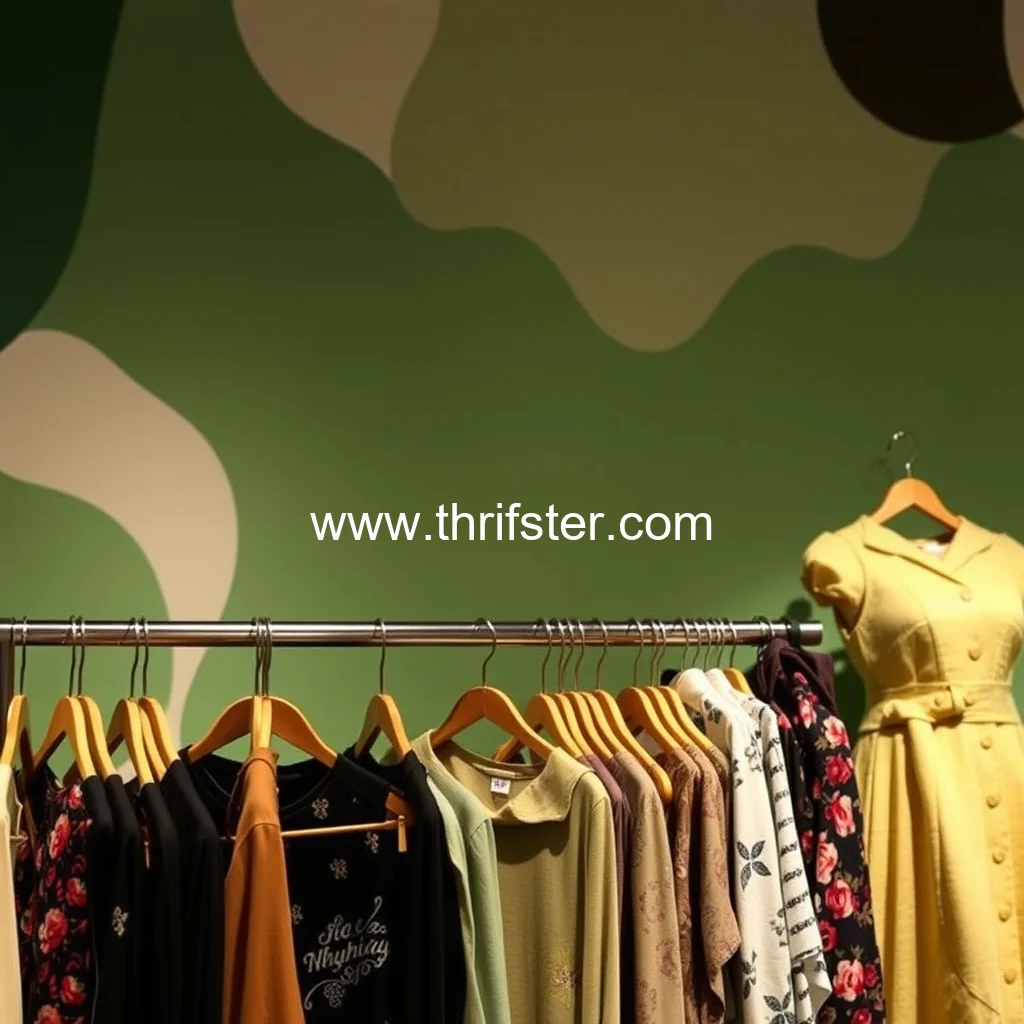
The city’s residents are embracing sustainable fashion, and the trend is catching on across the India.
The Rise of Sustainable Fashion in New Delhi
A Shift in Consumer Behavior
In recent years, New Delhi has witnessed a significant shift in consumer behavior, particularly among the city’s hipster crowd. This shift is marked by a growing preference for sustainable fashion, with many residents opting for second-hand clothes and embracing a more environmentally conscious approach to fashion.
The Rise of Second-Hand Markets
New Delhi is home to numerous markets that offer second-hand clothes, where residents can find a wide range of pre-owned garments at affordable prices. These markets have become a hub for sustainable fashion, with many vendors selling not only second-hand clothes but also promoting eco-friendly practices and sustainable fashion. Some of the popular second-hand markets in New Delhi include: + Sarojini Nagar Market + Lajpat Nagar Market + Karol Bagh Market
The Impact on the Environment
The shift towards sustainable fashion in New Delhi has had a significant impact on the environment. By reducing the demand for new, resource-intensive clothing, residents are helping to reduce waste and minimize the environmental impact of the fashion industry. Some of the environmental benefits of sustainable fashion include: + Reduced greenhouse gas emissions + Conservation of water and energy + Reduction of textile waste + Promotion of eco-friendly practices
The Trend Spreads Across India
The trend of sustainable fashion in New Delhi is slowly spreading across India, with many other cities and towns adopting similar practices.
She started by repurposing old clothes to create unique accessories and selling them online.
The Birth of Doodlage
Doodlage was born out of Kriti’s passion for sustainability and creativity. She began by repurposing old clothes to create unique accessories such as bags, jewelry, and scarves. The brand quickly gained popularity among young Indians who were looking for sustainable fashion options. Key features of Doodlage’s early products:
- • Repurposed fabric from old clothes
- • Unique designs and patterns
- • Affordable prices
- •
India’s garment industry is a booming sector that drives the country’s economy and employs millions of people.
The garment industry is a significant contributor to India’s economy, accounting for 10% of the country’s GDP.
The Garment Industry in India: A Booming Sector
Overview of the Industry
The garment industry in India is a massive and diverse sector that encompasses a wide range of products, from casual wear to formal wear, and from traditional to modern designs.
“The textile industry is one of the largest polluters in the world,” she said. “The production of textiles is a significant contributor to greenhouse gas emissions, water pollution, and waste generation.”
The Problem of Textile Waste
The textile industry is a significant contributor to environmental degradation, with the production of textiles being a major source of pollution. The industry’s reliance on synthetic materials, such as polyester and nylon, has led to a massive amount of waste generated. According to the Ellen MacArthur Foundation, the fashion industry produces over 100 billion garments per year, with the average garment being worn only 7 times before being discarded. The production of textiles requires large amounts of energy, water, and chemicals, contributing to greenhouse gas emissions and water pollution. The use of synthetic materials has led to microplastic pollution, with microfibers from clothing washing machines ending up in oceans and waterways. The fashion industry’s fast-paced and disposable nature has resulted in a significant amount of waste, with many garments being discarded after a single wear.
The Impact of Fast Fashion
The fast fashion business model has been criticized for its environmental and social impact. The constant demand for cheap and trendy clothing has led to a culture of disposability, with many consumers unaware of the true cost of their purchasing decisions. The fast fashion industry is responsible for a significant amount of waste, with many garments being discarded after a single wear. The production of fast fashion requires large amounts of energy, water, and chemicals, contributing to greenhouse gas emissions and water pollution.
“If the consumer is not willing to change, then the company will not be able to change.”
The Power of Consumer Choice
The relationship between consumers and companies is a two-way street. Companies rely on consumers to drive sales and revenue, while consumers rely on companies to provide them with the products and services they need. This dynamic is often referred to as the “power of consumer choice.”
The Impact of Consumer Choice on Companies
When consumers make informed purchasing decisions, companies are forced to adapt and improve their products and services. This can lead to significant changes in the way companies operate, including:
- Increased focus on customer satisfaction: Companies may invest more in customer service, product development, and marketing to ensure that their offerings meet the evolving needs of their customers. Improved product quality: Companies may prioritize quality control and manufacturing processes to ensure that their products meet the high standards of their customers. New business models: Companies may explore new business models, such as subscription-based services or product-as-a-service, to better meet the changing needs of their customers.
The Challenges of Recycling Clothing in India
Despite the success of Doodlage, the recycling of clothing in India remains a significant challenge. The country’s fast-paced and consumerist culture has led to a massive amount of textile waste. The lack of effective systems for recycling clothing has resulted in a significant portion of the waste ending up in landfills or being incinerated. Challenges faced by the recycling industry in India:


